
The Self Seen Through Another
A ManKido and Rié use stories, images, and imagined perspectives to approach grief and identity that cannot be faced directly.
increasing Bearing strength in each event
 decreasing
Bearing strength in each eventdecreasingA Writer Watches Kido
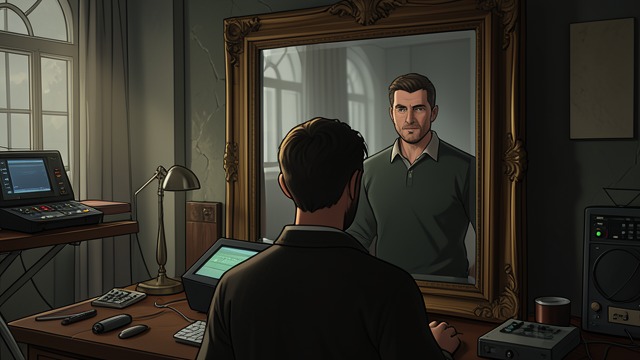
A Man Seen from Behind
A storyteller’s perspective
The narrator introduces Kido as a man whose lies briefly disclose truths he cannot say directly.
A mirror structure
The image of a man looking into a mirror frames the book’s concern with observing someone who is already observing himself.
Rié Reads the Sketchbooks
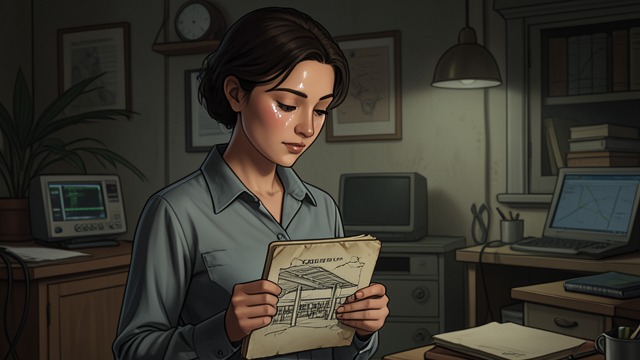
Pictures as an Inner Life
A small body of work
Rié studies X’s imperfect landscapes and recognizes an openness that has survived adulthood.
Feeling before explanation
The picture of the bus terminal moves her to tears before she can explain why. Art gives an indirect route into grief and memory.
Kido Inhabits the Story

Another Person’s Pain
An imagined identity
Kido impersonates Daisuké in a bar and discovers the exhilaration of temporarily inhabiting a stranger’s story.
A troubling pleasure
The performance helps him think but raises the question of whether another person’s suffering can become his private refuge.
Hara’s Pictures Meet His Father’s
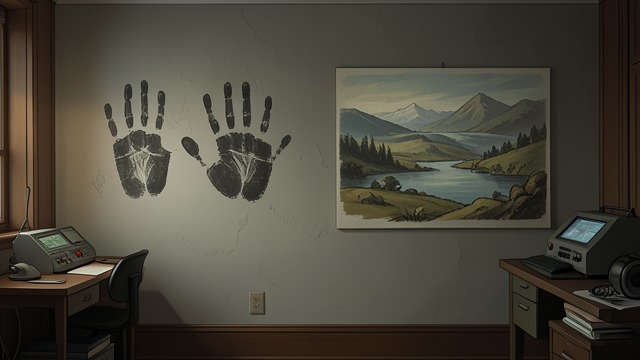
A Visual Inheritance
Landscapes recur
Kido recognizes that Hara’s drawings resemble Kenkichi Kobayashi’s prison paintings.
Art complicates identity
The resemblance links father and son without proving that they share the same character. It makes inherited fear visible without making it destiny.
Yuto’s Poem of the Shell

A Voice After Leaving
A cicada shell
Yuto imagines how a discarded shell hears the song of the body that once lived inside it.
A family hears him
Rié understands that the poem carries grief without naming it. Literature lets her approach her son through an image he made himself.
In the prologue
During X’s first year in Town S
During his investigation
At the death-row art exhibition
The previous fall, recalled near the ending
